
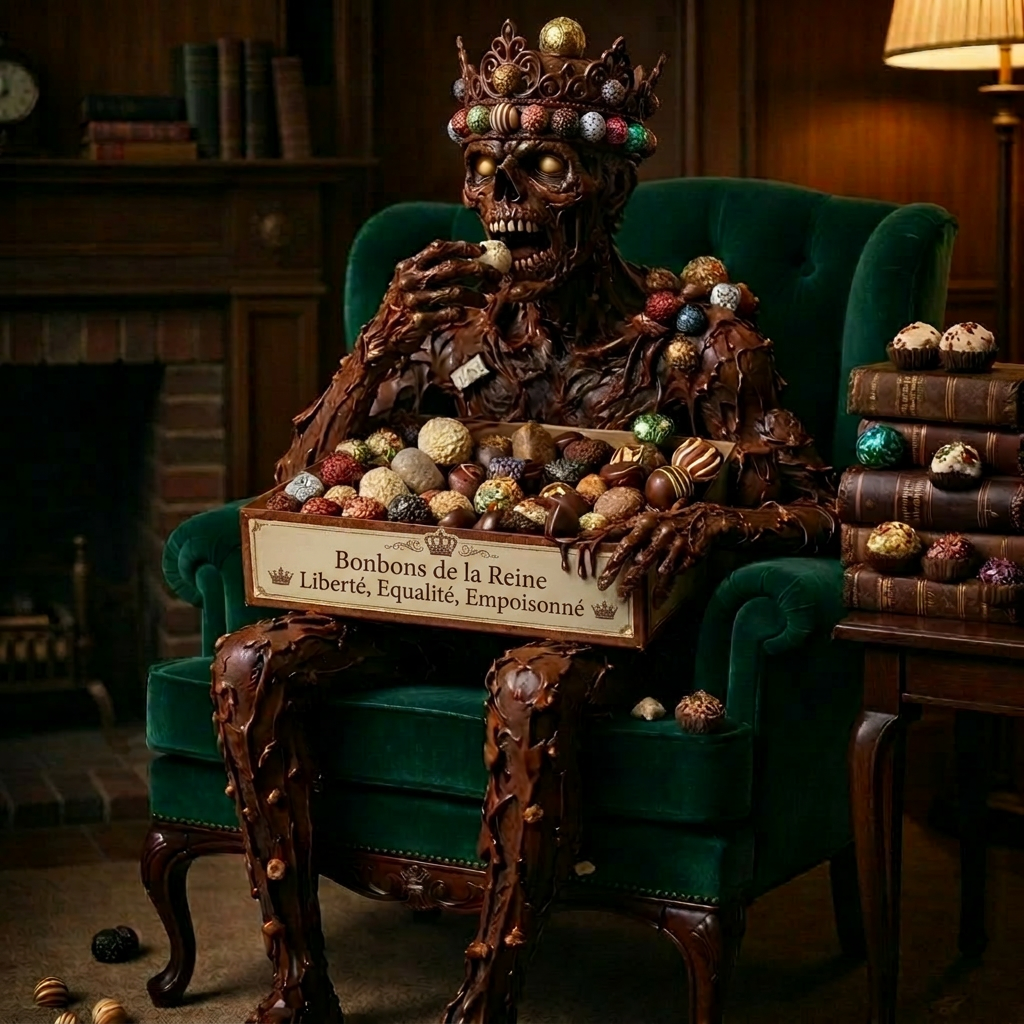
When Montezuma, Emperor of the Aztecs, threw a bash to impress conquistador Hernán Cortés in the early 16th century, he served not only a dazzling amount of food, but also their special cacahuatl (cacao) drink. Author Bernal Díaz del Castillo observed that “Montezuma ate frugally, but drank chocolate throughout the meal… which they [the Aztecs] said was for success with women.”
Bernal’s colleague Francisco Hernández stated that cacao has “… an agreeable taste, is tonic, warms the stomach, perfumes the breath… combats poisons and alleviates intestinal pains and colics.”
But not every conquistador enjoyed cacao despite its claimed benefits. Author and adventurer Girolamo Benzoni produced his Historia del Mondo Nuovo, in which he stated that cacao “seemed more a drink for pigs than a drink for humanity, but then there was a shortage of wine, so as not to be drinking always water, I did like the others.” Back then, the conquistadors didn’t agree on the goodness of cacao.
For local inhabitants in Meso and South America, cacao was the “gift from the gods”. It fed them, it gave them strength, and the god of cacao protected their communities.
Cortés eventually decimated the Aztec empire, perhaps when Montezuma was otherwise entertained, and pilfered their cacao pick-me-up. Cacao disembarked for the first time in Europe at the port of Sevilla in 1528. King Ferdinand and Queen Isabella drank chocolate for their health, and probably became the first chocoholics in Europe, as they kept it a secret. However, when they felt overly generous, they dispensed it to the rich during church services, Lent, and, in cahoots with the Spanish Inquisition, when someone was being burned at the stake. And so started a chocolate frenzy at the Spanish court.
But keeping cacao a secret had its drawbacks. In 1579, English pirates attacked a Spanish ship full of cacao beans and burned the whole ship because they thought the beans were sheep droppings.
In 1615 chocolate was served at the wedding ceremony of Louis XIII and Anne of Austria. In 1659, Louis XIV, the Sun King, granted David Chaillou the royal authorization to open the first chocolaterie in Paris. Chocolate, expensive and exclusive, had acquired a sure footing in continental Europe, and then crossed the channel to England, where chocolate houses catered to male customers only.
With cacao supplies arriving from the New World, Europe embraced chocolate and made it its own. Bitter chocolate was flavoured with traditional Mexican chillies and vanilla, and spices arriving from exotic lands: cinnamon, cloves, anis, Indian peppers, musk, fine sugar. And poison.
Chocolate Zombies of the Past
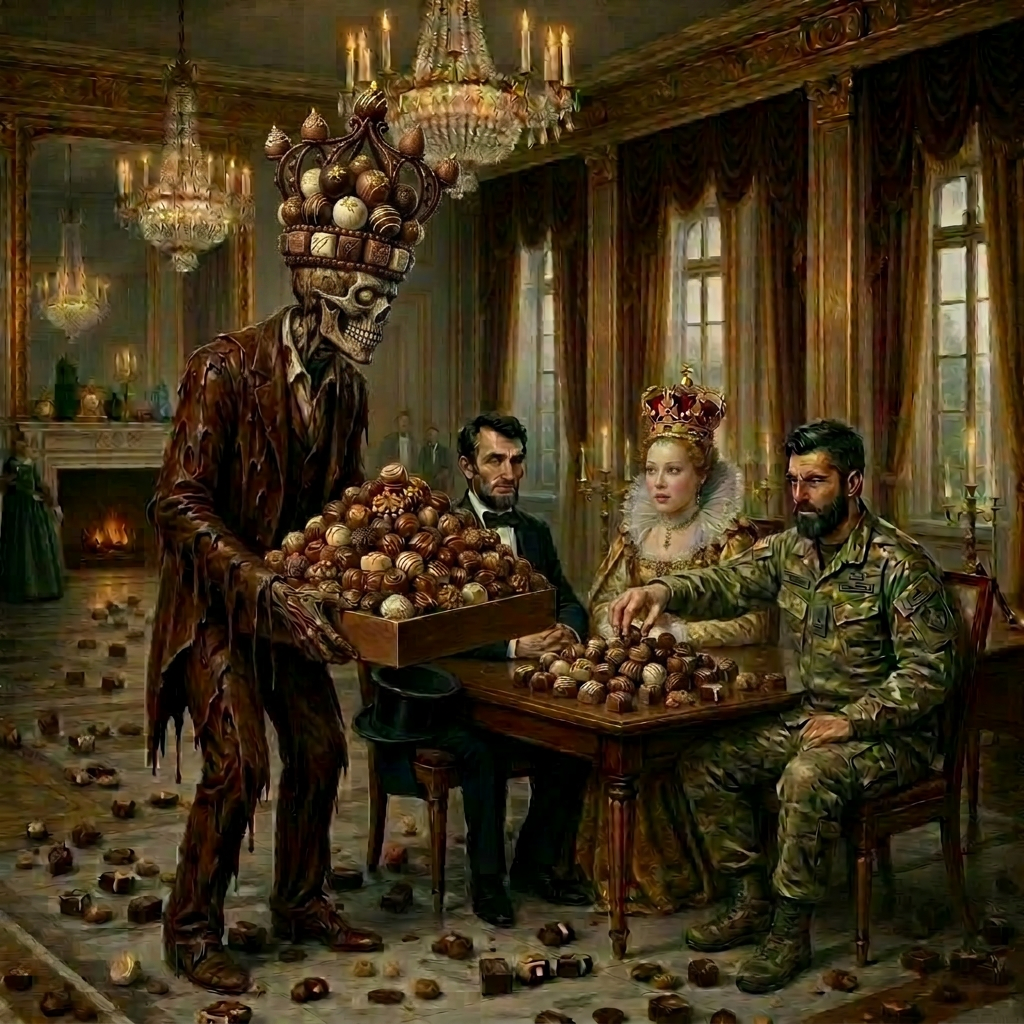
Since cacao is so bitter, it was the ideal medium to disguise the flavour of poison. Catherine de’ Medici, France’s queen and later regent for her three sons, allegedly filled her harmalades, chocolate sweets, with poison. She got rid of courtiers who did not agree with her Catholic faith, and then of course, she prayed for the souls of her enemies.
Following Catherine de’ Medici’s footsteps in the 17th century, and keeping a greedy eye on her inheritance of worldly goods, the Marquise de Brinvilliers laced chocolates with arsenic and killed her father and two brothers. Brinvilliers’ use of poison led to the discovery of The Affair of the Poisons, which uncovered the profuse use of poisons at the court of King Louis XIV.
During the cold war, the CIA tried to kill the Cuban revolutionary president Fidel Castro. Apparently, there were 638 attempts on Castro’s life. The CIA used several assassination methods, including spraying LSD in Castro’s radio room; infecting Castro’s diving suit with tuberculosis bacillus; and contracting Mafia elements to do the deed for a reputed US$150,000 (today’s US$ 1.5 million). It seemed CIA people were desperate when they planned to poison Castro’s chocolate milkshake at a restaurant. But the poison pill got stuck in its hiding place in the freezer, and could not be used. Castro presided Cuba for 50 years, until 2008. He died in 2016, of an undisclosed cause. You’d think the CIA would get it right the first time.
Across the seas, Israel’s secret service Mossad had been after Palestinian Wadie Haddad for many years. Perhaps Mossad had observed their sister agency CIA tribulations with Castro, but in 1978 they got trustworthy intelligence that Haddad was extraordinarily fond of chocolate. So Mossad laced Belgian chocolates with a slow-acting poison, and arranged a steady supply of bonbons delivered by a colleague of Haddad’s. But to make sure Haddad was getting the poison, they also laced Haddad’s toothpaste with the same poison, so he was ingesting traces of poison every day from two sources. In due time, Haddad died in a hospital in Germany, where doctors suspected he had been poisoned with thallium or rat poison.
On the fictional sphere, writer Agatha Christie found inspiration for her poisoning plots in her work as an assistant pharmacist during World Wars I and II. Both Detective Hercule Poirot and Miss Marple solved plots that involved poison in boxes of chocolate treats and chocolate drinks.
Chocolate Zombies of the Present
These days we do not need to resort to winding plots courtesy of the CIA or Agatha Christie. That’s because some of the chocolates we eat are already contaminated with lead and cadmium. And the higher the percentage of cacao solids (chocolate), the higher the concentration of lead and cadmium.
All this time, we thought dark chocolate was a gift from the gods for our health, akin to the benefits depicted by New World scribes. Chocolate has been touted by health gurus and medical research as having flavonoids and other mysterious substances Montezuma and the CIA never imagined existed, and are almost impossible to pronounce.
American Consumer Reports (CR) has found lead and cadmium in chocolates. The research and results were published in the article Lead and Cadmium Could be in Your Dark Chocolate in 2023. They analysed dark chocolate bars, and used “California’s maximum allowable dose level (MADL) for lead (0.5 micrograms) and cadmium (4.1 mcg)” as the benchmark for good or bad. The result: “for 23 of the bars, eating just an ounce a day would put an adult over a level that public health authorities and CR’s experts say may be harmful for at least one of those heavy metals.”
Lead is a famous heavy metal. If ingested over a certain amount, lead can cause serious trouble for children and adults. Prolonged exposure to and ingestion of lead can cause nervous and immune systems suppression, kidney damage, reproductive issues, hypertension. Lead harms children and unborn babies, as they can suffer slow growth and brain development, hyperactivity, learning disabilities, and hearing problems.
Cadmium, another heavy metal but just as toxic as lead, can produce kidney failure, developmental and cognitive decline in children. In adults, it induces bone weakening, gastrointestinal issues, kidney malfunction, and neurological symptoms.
So, it’s been established that lead and cadmium are not our best friends. And sometimes we find those poisons in our favourite chocolate treats.
Where does the contamination come from?
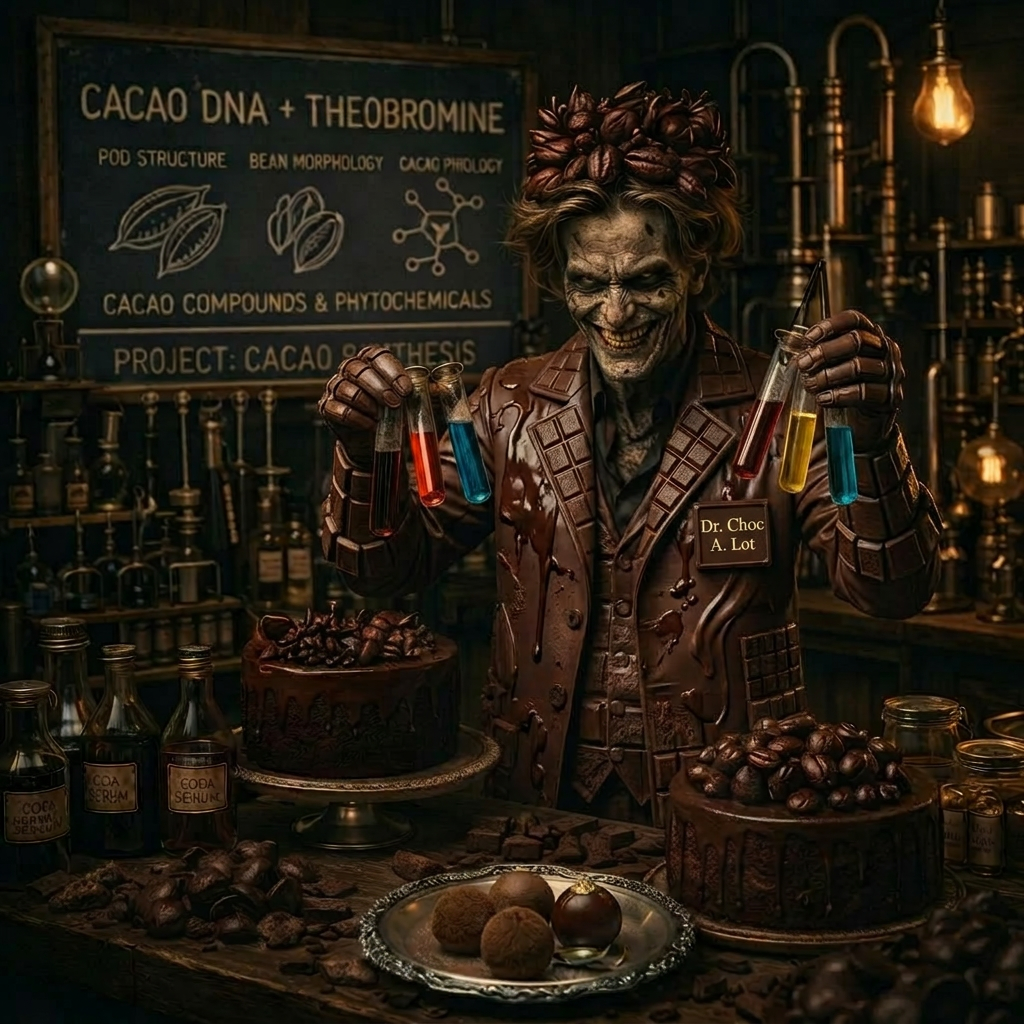
Lead and cadmium exist happily in nature. But cadmium is easier to be absorbed than lead, so for a cacao tree, soil is the main source of contamination.
Lead, on the other hand, is chunky and more difficult for the tree to absorb, so the cacao tree absorbs a small quantity from the soil. The majority of lead contamination occurs in external sources during the process of drying cocoa beans outdoors: the wind disperses tiny particles of lead from the soil and from places where leaded fuel is still used.
Chocolate producers could obtain chocolate with acceptable levels cadmium if they choose their supplies from areas with low levels of cadmium in the soil. As to lead, high levels would decline by changing the harvesting, drying, and cleaning processes that yield cocoa, the material used to make chocolate products.
Naming Poisoned Chocolates
Below is a selection of the chocolate bars analysed by CR and their results. The percentage of lead and cadmium contents refer to the percentage of California’s maximum allowable dose levels (MADL) found in 28g (1 oz) of chocolate. When you find 238% it means it’s 238% of California’s MADL. In parenthesis you’ll find the owner of that product; I’ve added it because I believe they do have a responsibility to provide non-toxic food.
First three winners of the High Lead in Chocolate category:
- Hershey’s Special Dark Mildly Sweet Chocolate – 265% (Hershey Trust Co.)
- Chocolove Extreme Dark Chocolate 88% Cocoa – 240% (Ritter Sports Group)
- Hu Organic Simple Dark Chocolate 70% Cocoa – 210% (Mondelēz International)
Dis-honorable Mentions for High Lead in Chocolate: Trader Joe’s Dark Chocolate 72% Cacao (Aldi Nord Group, Albrecht family); Tony’s Chocolonely Dark Chocolate 70% (Tony’s Chocolonely); Lindt Excellence Dark Chocolate 85% (Lindt & Sprüngli AG); Godiva Signature Dark Chocolate 72% Cacao (Yildiz Holding)
First three winners of the High Cadmium in Chocolate category:
- Pascha Organic Very Dark Chocolate 85% Cacao – 253% (Simon Lester)
- Alter Eco Organic Dark Chocolate Classic Blackout 85% Cacao – 204% (Track One Capital)
- Beyond Good Organic Pure Dark Chocolate 80% Cocoa – 138% (Brett Beach and Tim McCollum)
Dis-honorable Mentions: Scharffen Berger Extra Dark Chocolate 82% Cacao (private company); Equal Exchange Organic Extra Dark Chocolate 80% (Employee-owned); Lindt Excellence Dark chocolate 70% Cocoa (Lindt & Sprüngli AG); Beyond Good Organic Pure Dark Chocolate 70% (Brett Beach and Tim McCollum); Dove Promises Deeper Chocolate 70% Cacao (Mars; not to be confused with Dove soap, deo, etc., from Unilever)
First three winners of the “Safer Choices” category:
- Mast Organic Dark Chocolate 80% Cocoa – 14% lead, 40% cadmium (Rick and Michael Mast)
- Ghirardelli Intense Dark Chocolate 86% Cacao – 36% lead, 39% cadmium (Lindt & Sprüngli AG)
- Taza Chocolate Organic Deliciously Dark Chocolate 70% Cacao – 33% lead, 74% cadmium (A. Whitmore and K. Fulton)

Another study by CR involved different chocolate products such as brownie and cake mixes, chocolate chips, cocoa powder, milk chocolate bars , and hot chocolate. The study used California’s MADL again, as “California’s standard levels are the most protective available”, and the results were “meant to indicate which products had comparatively higher levels of heavy meals.”
The study found that a third of the chocolate products examined had high levels of heavy metals lead and cadmium. Again, I have added the owners’ names in parenthesis.
Winners of Lead in Dark Chocolates:
- Perugina 85% Premium Dark Chocolate – 539% (Nestlé)
- Perugina 72% Cacao Chocolate Bar – 314% (Nestlé)
- Evolved Signature Dark 72% Cacao Chocolate Bar – 236 % (C. Cusano and R. Gusmano)
Winners of Lead in Chocolate Chips:
- Hu Dark Chocolate Gems – 121% (Mondelēz International)
- Good and Gather Semi Sweet Mini Chocolate Chips – 102% (Target Co.)
Winners of Lead in Cocoa Powder:
- Droste Cacao Powder – 324% (Pauwels Engineering)
- Hershey’s Cocoa Naturally Unsweetened 100% Cacao – 125% (Hershey Trust Co.)
Winners of Lead in Hot Chocolate:
- Great Value Milk Chocolate Flavor Hot Cocoa Mix – 345% (Walmart)
- Starbucks Hot Cocoa Classic – 159% (Starbucks)
- Trader Joe’s Organic Hot Cocoa Mix – 112% (Aldi Nord, Albrecht Family)
Winner for Lead in Brownie Mix:
- Ghirardelli Premium Brownie Mix Double Chocolate – 108% (Lindt & Sprüngli AG)
Winners for Lead in Cake Mix:
- Bob’s Red Mill Gluten Free Chocolate Cake Mix – 218% (Employee-owned)
- Simple Mills Almond Flour Baking Mix – Chocolate Muffin & Cake – 127% (Flowers Food)
The results show how menacing dark chocolate can be to our health. And how producers, some of them transnational companies, are involved in poisoning consumers and managing to get away with it. That’s partly because, as CR pointed out, “While most people don’t eat chocolate every day, 15% do, according to the market research firm Mintel. … [lead and cadmium] can be found in many other foods – such as sweet potatoes, spinach and carrots – and small amounts from multiple sources can add up to dangerous levels. That’s why it’s important to limit exposure when you can.”
According to CNN, you can find the highest levels of lead in “baby food sweet potatoes, baby food teething biscuits, sandwich cookies, white wine and ranch dressing. As to cadmium, you’ll find the highest level in sunflower seeds, spinach, potato chips, leaf lettuce and French fries.
That’s enough for an immediate pantry cleanup.
What About European Chocolate?
Those two CR studies were about chocolates sold in the USA. It’s concerning that many products are sold by companies with a heavy presence in Europe and other parts of the world. Besides, according to the European Commission (EC), Europeans “represent 6% of the world’s population, but we consume half of the world’s chocolate.”
In 2006 the EC established safe limits for lead in chocolates. If the product has under 30% cocoa solids, the limit is 0.10mg/kg; if the product has over 50%, the lead limit is 0.80mg/kg.
In 2015, the EC established safe limits for cadmium in chocolates. If the product has under 30% cocoa solids, the limit is 0.10mg/kg; if the product has over 50% cocoa solids, the cadmium limit is 0.80mg/kg.
I don’t know anybody who has managed to eat one kilo of chocolate and survived to tell the tale. I’ve tried, but only managed a couple of bites.
Now what?
I paraphrase below CR second study’s recommendations for healthier choices regarding chocolates:
- Avoid heavy metals in your diet (but it doesn’t mean you should never eat chocolate).
- Kids and pregnant people should consume dark chocolate sparingly.
- Occasional consumption of dark chocolate won’t necessarily expose an adult to extremely high levels of heavy metals.
- Milk chocolate is an alternative for those who want to limit heavy metal intake. But milk chocolate is packed with more sugar than chocolate.
- Be aware, and beware, that chocolate bars, brownies, chocolate cake, and other cocoa-containing products contribute to your overall heavy metal tally.

Last Words
During and after writing this entry, I went through many phases. The most important ones were, and still are:
- Anger: Those humongous international companies should not be selling poisonous chocolate products.
- Horror: I don’t need to be famous or at court to be poisoned by luscious chocolates.
- Panic: What shall I do with all those boxes of chocolate in my pantry?
- Relief: I’ll send them to my enemies.
- Eyerolling: Such a waste to get rid of all that.
Choose your zombies wisely. And be well.


 Regina's Rants
Leave a reply to zombieshadowy9236f0b926 Cancel reply